

Recovery Support Groups & Mutual Help Meetings
Recovery Continues Beyond Treatment
Professional treatment is only one part of long-term recovery. Mutual help groups provide ongoing peer support, accountability, encouragement, and community after formal treatment ends.
While these groups are not therapy, many individuals find they become an important part of maintaining recovery.

Alcoholics Anonymous (AA)
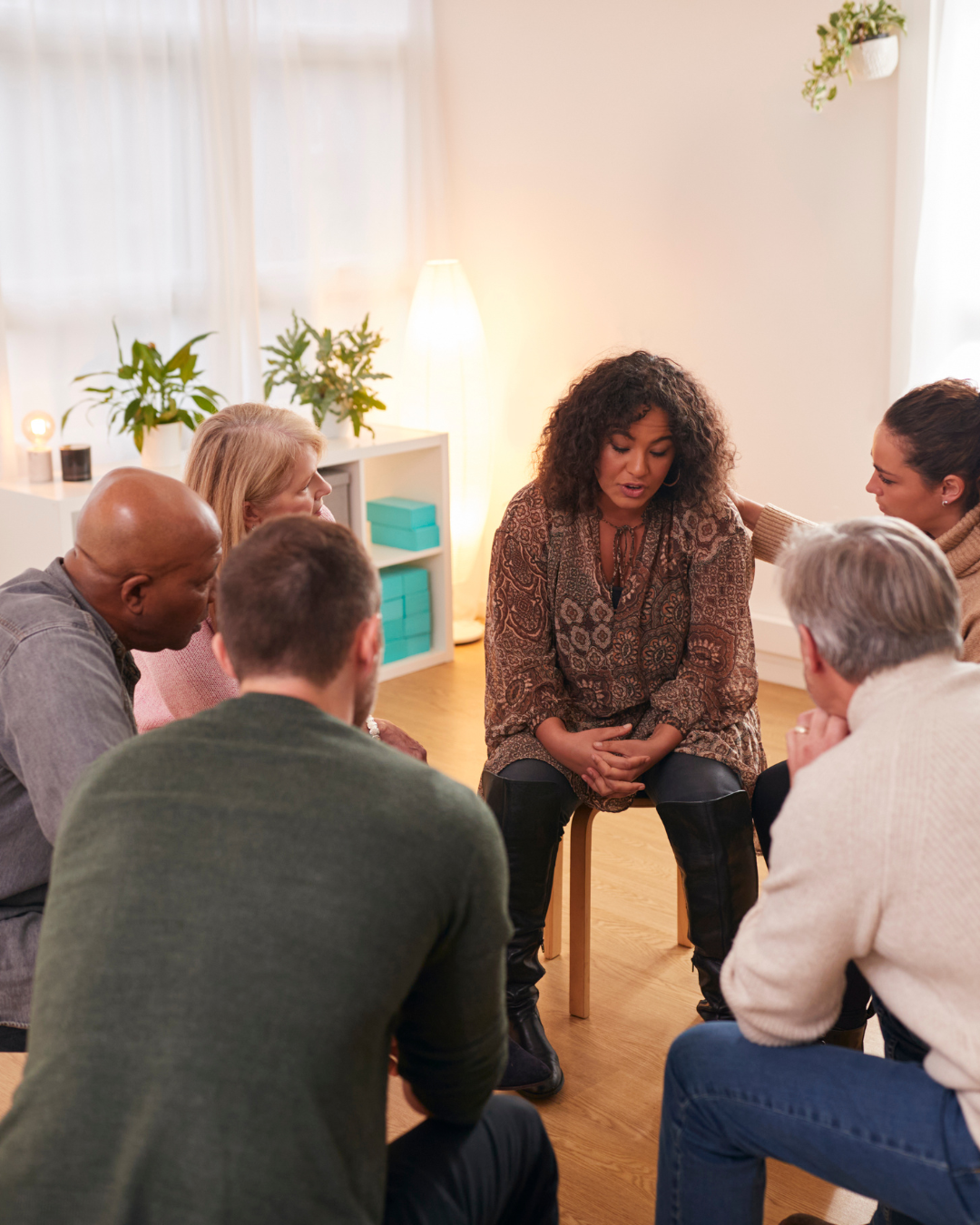
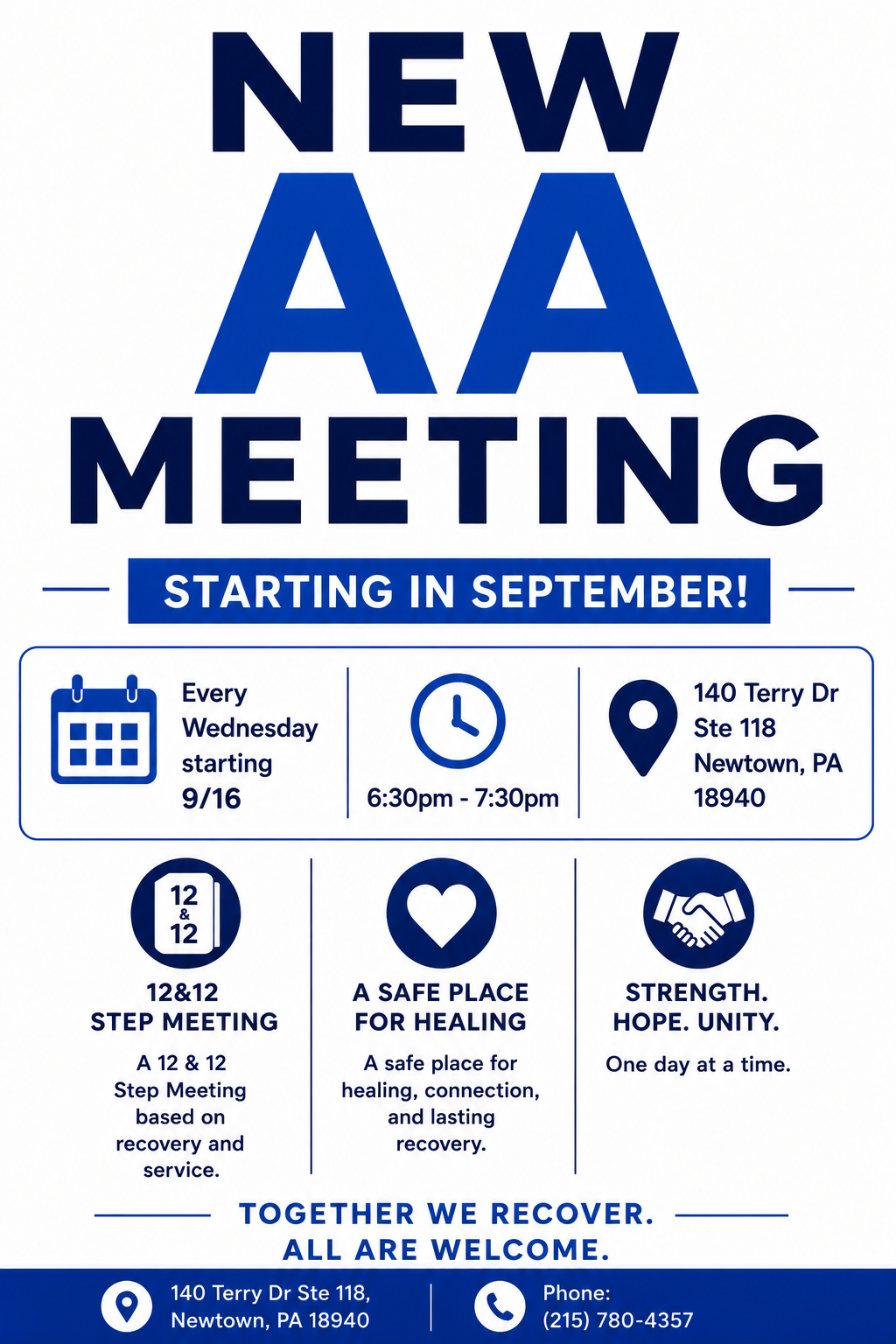
Alcoholics Anonymous (AA) is a worldwide, peer-led fellowship that supports individuals recovering from alcohol use disorder. Based on the Twelve Steps, AA provides a safe, confidential environment where members share their experiences, offer encouragement, and support one another in achieving and maintaining sobriety.
AA welcomes anyone with a desire to stop drinking. Meetings are widely available in local communities and online, making it easy to find ongoing support. Through regular meetings, sponsorship, and connection with others in recovery, many individuals build lasting relationships and develop a strong foundation for long-term sobriety.
- A well-established recovery community with meetings available worldwide
- A structured Twelve Step framework that promotes personal growth and accountability
- Opportunities to work with an experienced sponsor for guidance and encouragement
- A lifelong fellowship that extends beyond formal treatment
- Regular meetings that help establish routine and consistency in recovery
-A welcoming environment where members can share experiences without judgment
Narcotics Anonymous (NA)
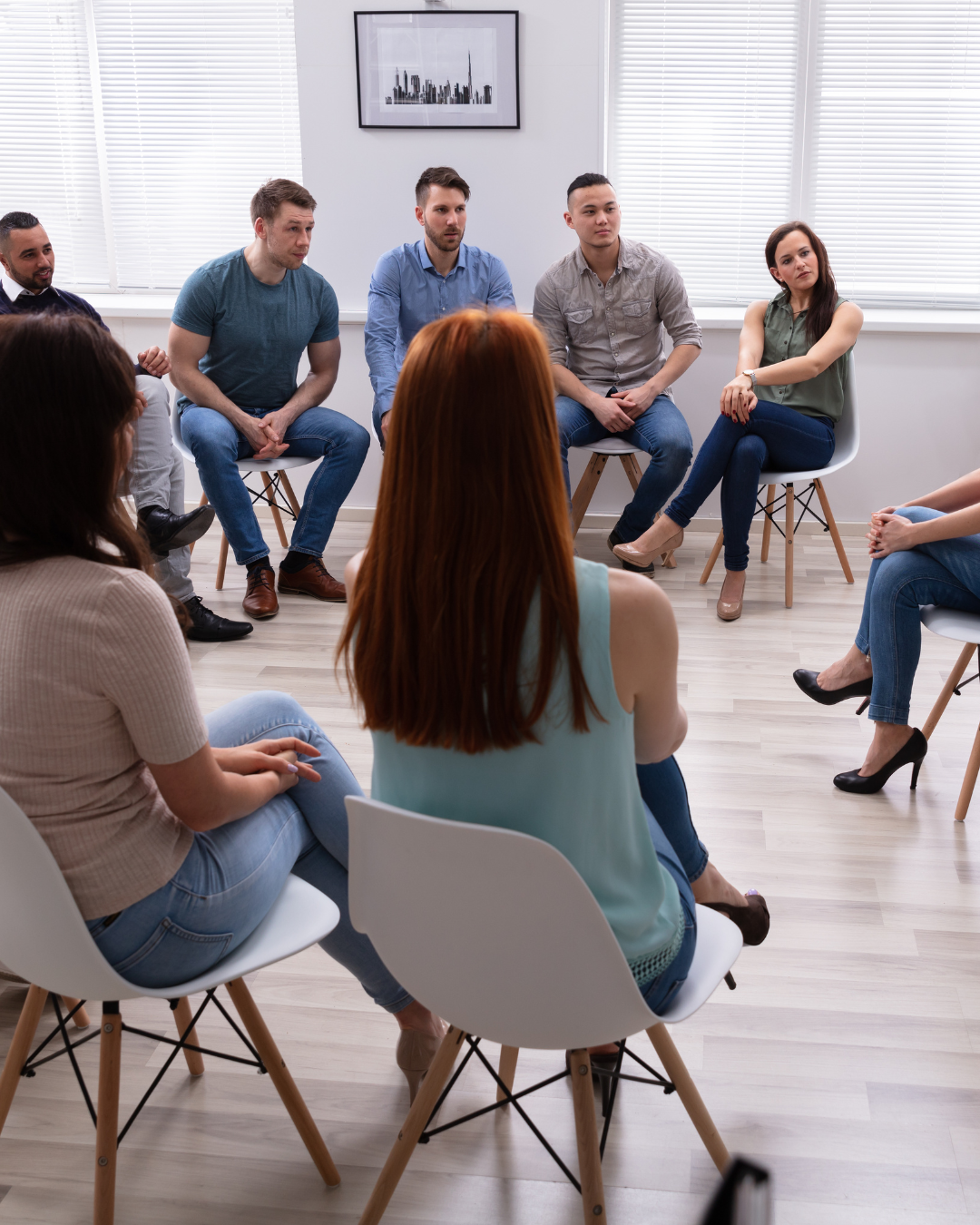
Narcotics Anonymous (NA) is a global, peer-led fellowship that supports individuals recovering from drug addiction. Using a Twelve Step approach, NA provides a welcoming and confidential environment where members share their experiences, offer encouragement, and support one another in maintaining recovery.
NA welcomes anyone with a desire to stop using drugs, regardless of the specific substance used. Meetings are available in many communities and online, making it easier for individuals to build a supportive recovery network. Through regular meetings, sponsorship, and connection with others who understand the challenges of addiction, many people find hope, accountability, and lasting encouragement throughout their recovery journey.
- Peer support from others with lived experience in recovery
- A sense of belonging and acceptance regardless of the substance used
- Practical guidance through the Twelve Steps and sponsorship
- Opportunities to build healthy, substance-free relationships
- Encouragement during life's challenges and recovery milestones
- A recovery community that promotes hope, resilience, and personal responsibility.
SMART Recovery
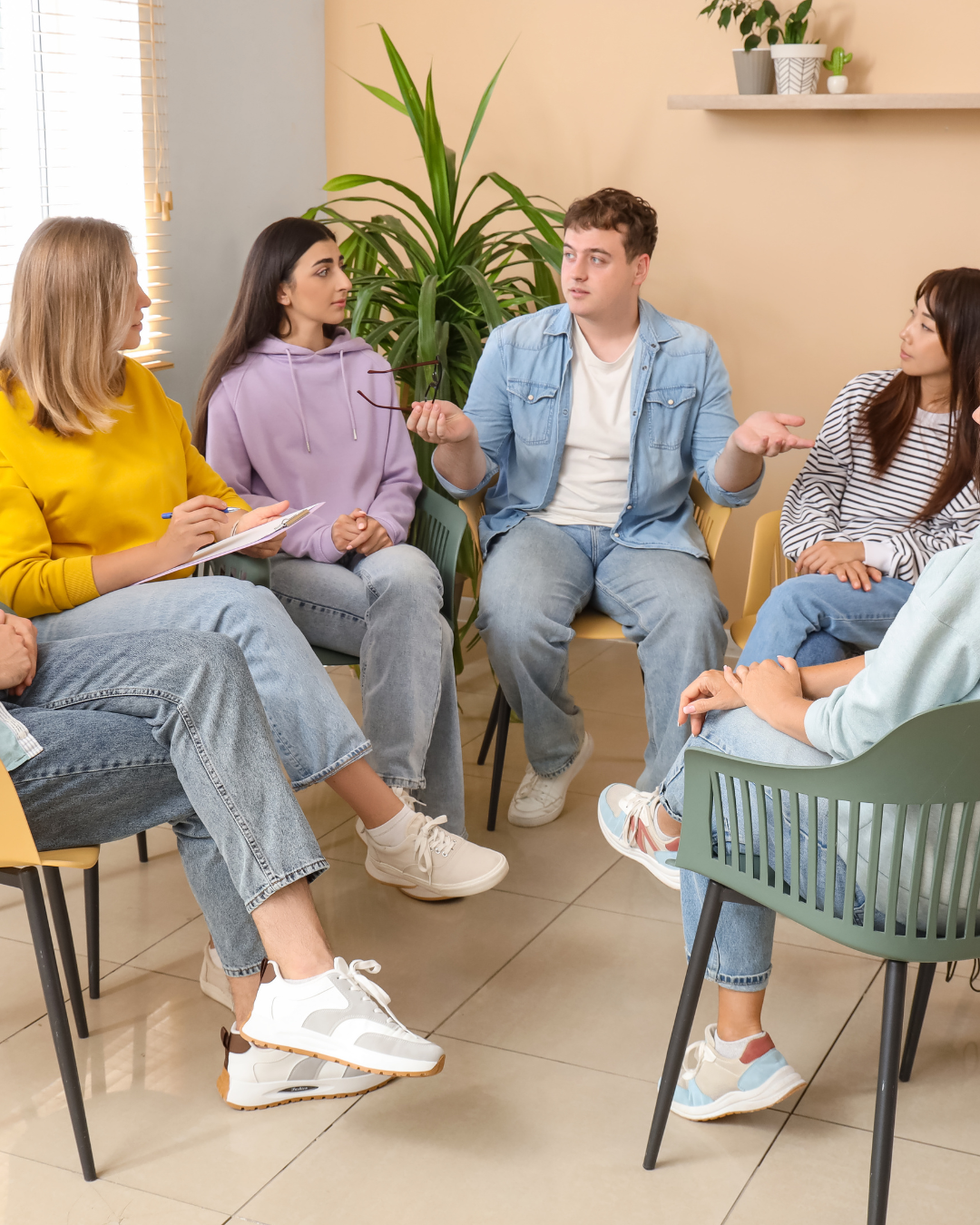
SMART Recovery is a science-based, self-empowering recovery program that helps individuals overcome addictive behaviors using evidence-based tools and practical skills. Rather than following a spiritual model, SMART Recovery focuses on building motivation, managing cravings, regulating emotions, and developing healthy habits that support lasting recovery.
Meetings are facilitated by trained volunteers and encourage discussion, problem-solving, and skill development in a supportive, nonjudgmental environment. SMART Recovery welcomes individuals recovering from substance use disorders as well as other addictive behaviors and offers both in-person and online meetings.
- Practical tools rooted in cognitive and behavioral science
- Building motivation and confidence for lasting change
- Learning effective strategies to manage urges and cravings
- Developing healthier ways to cope with difficult thoughts and emotionsInteractive discussions focused on problem-solving and skill development
- An empowering approach that encourages self-reliance and personal choice

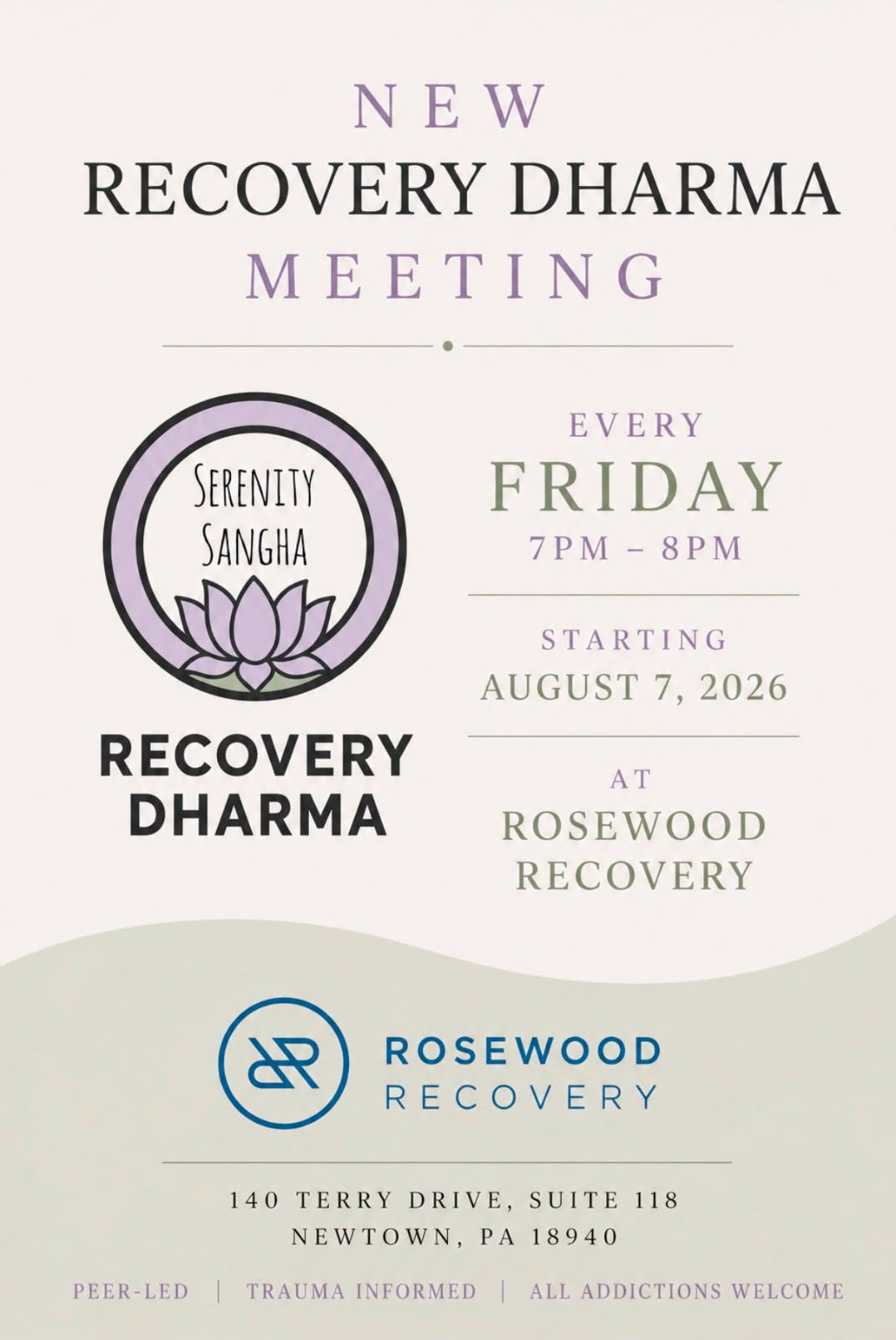
Recovery Dharma
Recovery Dharma is a peer-led recovery community that uses Buddhist principles, mindfulness, meditation, and compassion to support healing from addiction. Rather than focusing on a Higher Power, Recovery Dharma encourages participants to cultivate self-awareness, acceptance, and personal responsibility through meditation and the practical application of Buddhist teachings.
Recovery Dharma welcomes individuals of all backgrounds, regardless of their religious or spiritual beliefs. Meetings typically include guided meditation, readings, and group discussion, providing a supportive community where participants can strengthen mindfulness, build resilience, and support one another in long-term recovery.
- Developing a regular meditation and mindfulness practice
- Learning to respond to cravings with greater awareness rather than impulsivity
- Cultivating compassion for oneself and others throughout the recovery journey
- Finding greater emotional balance through reflection and acceptance
- Building inner resilience by applying Buddhist principles to everyday life
- Becoming part of a supportive community centered on healing, wisdom, and personal growth
Rosewood Recovery Community Groups
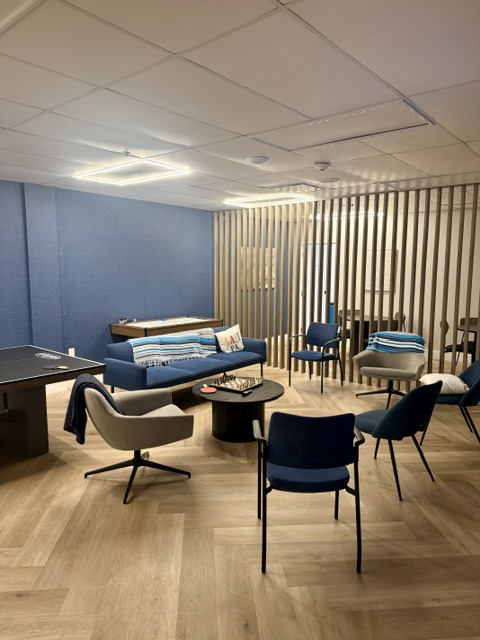
As our recovery community continues to grow, Rosewood Recovery is proud to host a variety of peer support meetings and educational events.
Future offerings may include:
- AA meetings
- NA meetings
- SMART Recovery
- Recovery Dharma
- Alumni meetings
- Guest speakers
- Educational workshops
- Family education groups
Finding the Right Recovery Community
Recovery is not one-size-fits-all.
Some individuals find that a Twelve Step fellowship like AA or NA provides the structure and community they need, while others prefer the evidence-based approach of SMART Recovery or the mindfulness practices of Recovery Dharma.
Many people even participate in more than one type of support group to meet different needs at different stages of recovery.
At Rosewood Recovery, we encourage clients to explore a variety of mutual-help groups and discover the recovery community that feels like the best fit for their personal journey.
Change Starts Here
Click below to get in touch and schedule a consult call with our team to begin your journey towards happiness and freedom.


Rosewood Recovery does not discriminate against any person because of race, color, religious creed, ancestry, age, sex, sexual orientation, gender identity, national origin, handicap, disability, or the use of a guide or support animal because of blindness, deafness, or a physical handicap.